Neural Foundations of Movement, Adaptation, and Resilience
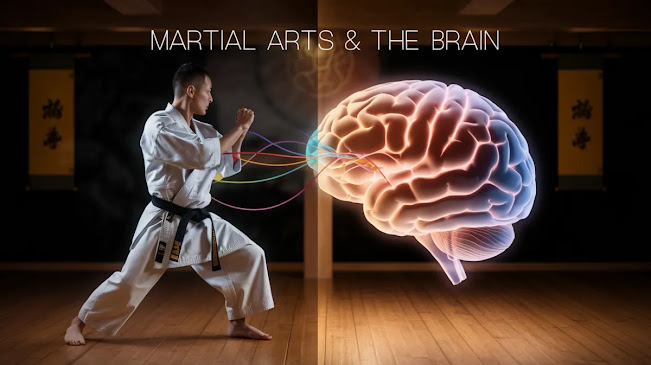
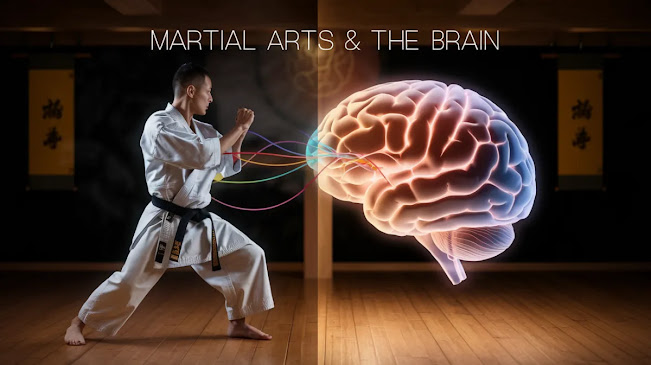
Martial arts aren’t just about strength and endurance — they’re a live demonstration of how the brain and nervous system work together. From the motor cortex directing precise strikes, to the cerebellum fine-tuning balance, to the limbic and prefrontal circuits regulating emotions under pressure, every technique is powered by functional neuroanatomy. This article explores how neural structures shape martial performance, how injuries or diseases can impact fighters, and how training enhances neuroplasticity to strengthen both the body and the brain.
- Introduction – Martial arts as a practical model for functional neuroanatomy.
- Motor Systems in Martial Arts – How the motor cortex drives precise strikes and kicks.
- Subcortical Motor Regulation – Basal ganglia and cerebellum shaping rhythm, balance, and coordination.
- Sensory Systems in Martial Arts – Touch, vision, and balance guiding awareness and reaction.
- Spinal Cord and Reflexes – Rapid responses and defensive reflexes in combat.
- Emotional and Cognitive Systems – Managing fear, composure, and strategy under pressure.
- Neuroplasticity in Martial Arts – Training reshaping the brain for speed, balance, and resilience.
- Neurological Injury and Disease in Martial Arts – Effects of concussion, Parkinson’s, MS, and therapy.
- Integration: The Martial Artist as a Neurological Model – All systems working together in peak performance.
- Conclusion – Martial arts as both a test and enhancer of the nervous system.
Read more here: https://pathofthelegacy.blogspot.com/2025/08/functional-neuroanatomy-and-martial-arts.html